
You can’t really argue about the comfort and ease of use of bluetooth headphones for over or on the ear. Without those annoying cables, they give greater freedom of movement and flexibility when out and about. In recent years audio quality has risen while the costs have dropped. That has been since Apple introduced their Airpods with their wireless element, there has been a greater than ever demand for this type of headphone.

So what are the pros and cons of the two types that are Bluetooth heaphones on the ear or good in ear headphones. Over the ear headphones will give a greater noise cancelling element and produce a fuller sound but are obviously larger and more bulky than in ear phones. There are foldable Bluetooth headphones which are compact and make this type far easier to carry. This will be an important factor in where and how you will be wearing them. For instance if you are travelling a lot, particularly on trains, then the ability to cut out external noises will be more important. However if you are doing a lot of exercise like running or working out in the gym, then in ear wireless earphones will much more likely appeal because of their size and weight.
When wearing Bluetooth wireless headphones it is important to keep them within range of your smartphone or tablet. Unlike wired headphones, it is very easy to wander about and forget that you may suddenly get outside the range of your device. There are few things more frustrating than have your audio drop out momentarily or even for longer periods. Bluetooth connectivity can sometimes be slightly problematic, either getting the devices paired, or maintaining the connection. Firstly always check that your headphones are compatible with your smart device and then make sure that there aren’t too many other devices connected wirelessly. Overload can affect the ability to connect or stay connected via Bluetooth.
There is such a choice these days that it is difficult to decide what are the best Bluetooth wireless headphones over the ear or in ear. It is best to go on Amazon or Google and check reviews and find out what other people are saying. Then decide what type you want. You might want to find the best bluetooth headphones under 200 for cycling or running so check what people are using for those activities.
There are loads of quality brands like Beats, Sony, Sennheiser, AKG and Bose so you will be spoilt for choice. Whatever make and model you choose, the freedom that these types of headphones offer will enhance your music listening for a long time to come.
Why are on the ear bluetooth headphones best?

Sony WH-CH520 Wireless Bluetooth Headphones – buy on Amazon
Whether on-ear Bluetooth headphones are considered the “best” depends on individual preferences and use cases. On-ear headphones have their advantages and drawbacks compared to other types of headphones, such as over-ear or in-ear models. Here are some reasons why someone might prefer on-ear Bluetooth headphones:
- Portability:
- On-ear headphones are often more compact and lightweight than over-ear alternatives. This makes them easier to carry and more suitable for on-the-go use.
- Comfort:
- Many users find on-ear headphones more comfortable than in-ear models, as they don’t insert into the ear canal. However, comfort can be subjective, and some users may still prefer the fit of over-ear headphones.
- Breathability:
- On-ear headphones typically allow more airflow around the ears compared to over-ear models. This can be beneficial in warmer climates, reducing the likelihood of discomfort due to heat.
- Aesthetics:
- Some users prefer the sleek and less bulky appearance of on-ear headphones, which can be more discreet than over-ear models.
- Convenience:
- On-ear headphones are often easier to put on and take off quickly compared to over-ear headphones, making them convenient for short listening sessions or when you need to be aware of your surroundings.
However, it’s important to note that there are potential drawbacks to on-ear headphones:
- Isolation:
- On-ear headphones may not provide as much noise isolation as over-ear models, which fully enclose the ears. This can be a consideration if you frequently use headphones in noisy environments.
- Sound Leakage:
- On-ear headphones may leak more sound to the surrounding environment compared to over-ear headphones, which could be a concern if you want to keep your music private.
- Ear Pressure:
- Some users may experience discomfort or pressure on the ears during extended use, particularly if the headphones have a tight fit.
Ultimately, the “best” headphones depend on your personal preferences, the intended use, and factors like comfort and portability. It’s recommended to try different types of headphones to find the style and features that align with your specific needs.
Is there a way to connect wireless headphones without bluetooth?
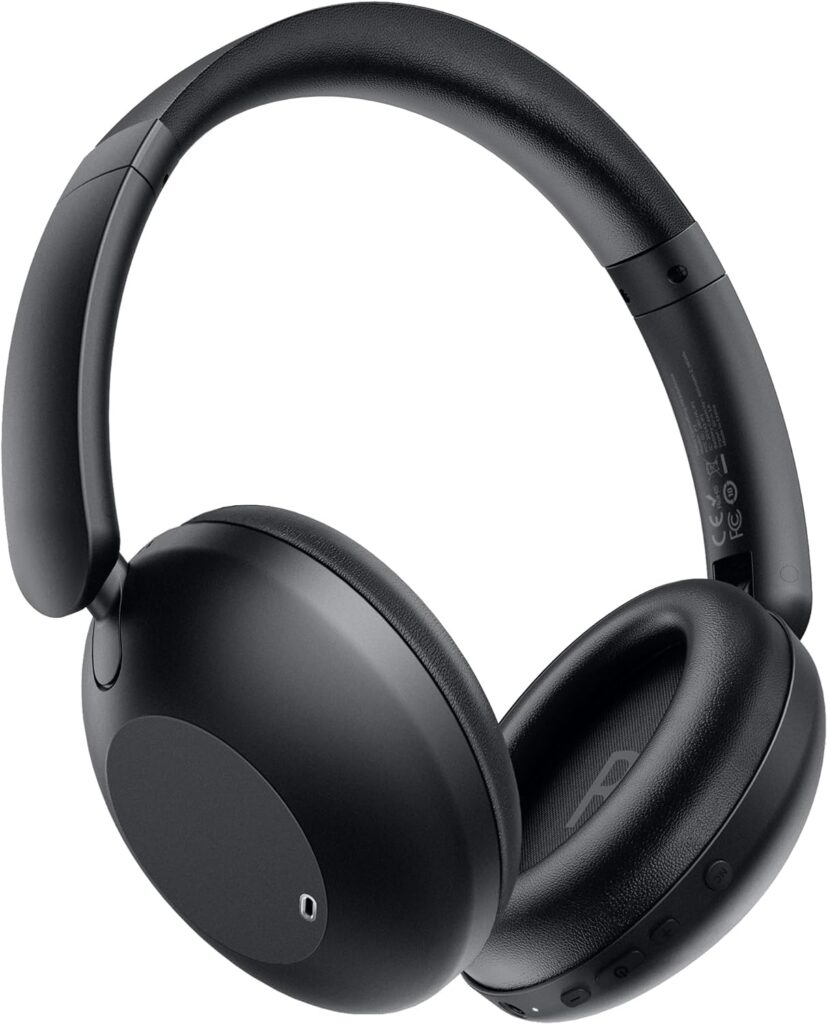
The answer is yes, there are alternative ways to connect wireless headphones without using Bluetooth. Here are some methods:
- RF (Radio Frequency) Wireless Headphones:
- Some wireless headphones use RF technology to transmit audio signals. These headphones typically come with a base station that connects to your audio source, and the headphones communicate with this base station using radio frequency. RF wireless headphones provide a longer range than Bluetooth and do not require a direct line of sight.
- Infrared (IR) Wireless Headphones:
- Infrared wireless headphones use infrared signals to transmit audio. The headphones have an infrared receiver, and the audio source, such as a TV or stereo system, has an infrared transmitter. The transmitter sends audio signals to the headphones, and the headphones receive the signals as long as there’s a clear line of sight between the transmitter and the headphones.
- Wireless Audio Transmitter/Receiver Kit:
- You can use a wireless audio transmitter and receiver kit to convert your wired headphones into wireless ones. These kits typically include a transmitter that connects to your audio source (e.g., TV, stereo, computer) and a receiver that plugs into your headphones. The transmitter sends audio signals wirelessly to the receiver, allowing you to use your existing wired headphones without Bluetooth.
- NFC (Near Field Communication) Adapters:
- Some wireless headphones support NFC technology. If your audio source has an NFC adapter, you can use it to connect wirelessly to the headphones without Bluetooth. NFC enables quick and easy pairing by simply tapping the adapter to the headphones.
- Wi-Fi Audio Streaming:
- Some wireless headphones support Wi-Fi connectivity for audio streaming. In this case, the headphones connect directly to your Wi-Fi network, and you can stream audio from compatible devices on the same network. This method may require specific headphones and audio sources that support Wi-Fi streaming.
When considering these alternatives, it’s important to check the compatibility of your headphones and audio source. Additionally, be aware of the range limitations and any potential interference with other devices. Each method may have specific requirements, so refer to the user manuals of your headphones and audio source for detailed instructions on how to set up and use these wireless connectivity options.