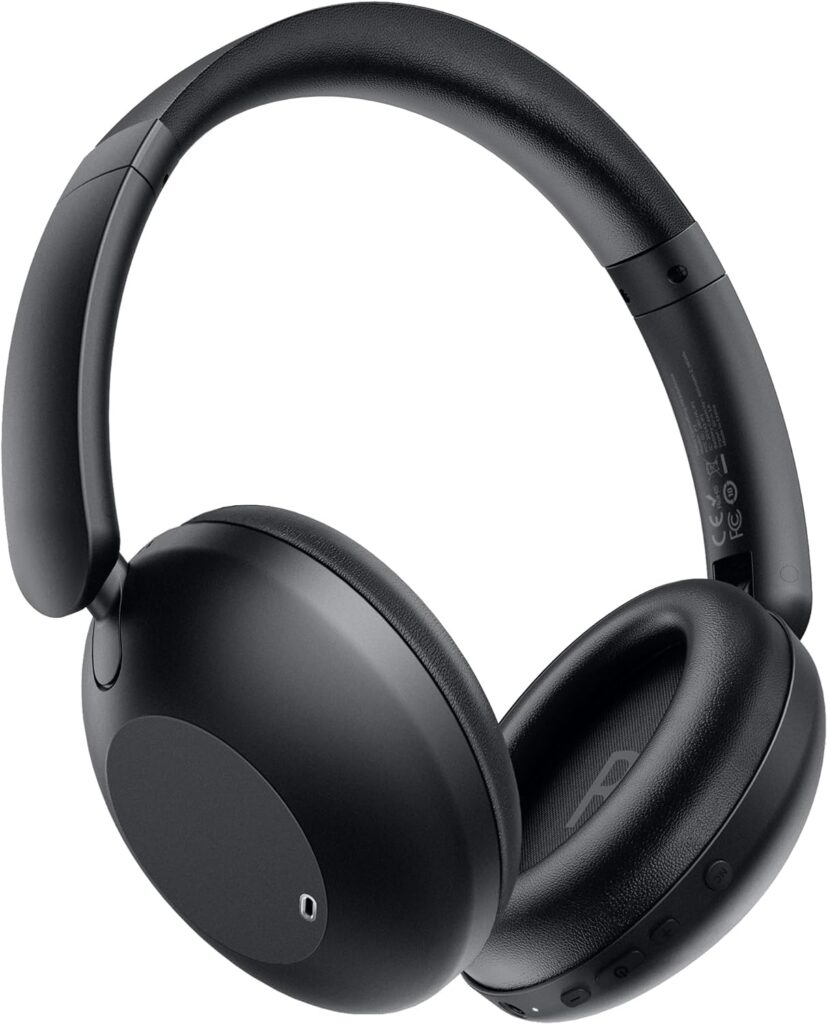
Wireless Sleep Headphones

Have you ever wanted to drift off to sleep listening to music and wished something like special wireless sleep headphones existed? You may suffer from sleep deprivation and those who experience it will know, it can blight one’s life. And indeed also for partners and bedfellows who are trying to get to sleep.

What type of headphones to buy?

The logical solution was to use normal wireless headphones, or earphones more likely. However the comfort factor with these when your head is resting on the pillow, and more particularly on your side, makes them impractical for this purpose. Enter Bluetooth or wireless sleep headphones to provide a wonderful world of restful sound an entertainment.

What makes this type of wireless headphone for bed different to normal earbuds is that it is specifically designed for the purpose of comfort while falling asleep. While comfort is a predominant factor in the ability to go to sleep, others like external noise or a partner’s snoring are also a cause. If all of these can be eliminated to the extent that they are no longer noticed, then a good night’s kip will be a much easier thing to achieve.

And of course listening to soothing music will always help to relax and drift off. Often one needs a distraction so as to drift off into slumber land. If you are Britain, check out sleep headphones UK.

Why are wireless sleep headphones different?

So what makes wireless earphones to sleep different from other standard earplugs? Well a number of makes utilize a headband that sits over the ears and which contains two small flat speakers for listening. The claims for this method is that it is the most comfortable way to listen to music in bed whichever way you are positioned, and were designed for that purpose. The headbands are fully padded to give the type of comfort needed so as not to cause any irritation to the wearer. There are different sizes to choose from as well as a selection of colours to suit a variety of head shapes and sizes.

As a website all about portable wireless, we tend to favour Bluetooth sleep headphones rather than the wired version. Especially if you tend to turn over in bed a lot, not having to deal with wires that may become entangled will likely be one less distraction when trying to drop off. As indeed it will prevent you from waking up after having done so. Unlikely as it may be, wires wrapped around your neck or arms could restrict blood flow and prove to be a health hazard.

The speakers can also be adjusted within the headband to get them just right so they become almost non-intrusive. This obviously also makes for a better listening experience when using wireless sleep headphones as the speakers can be accurately positioned. Sounds position across the stereo spectrum will also be much more enhanced when the speakers are correctly placed.

Headbands are the choice.

The ability to eliminate external sound as much as possible is also a significant factor when choosing the best wireless headphones for sleeping. In our opinion the headband type is more likely succeed in blocking out external noise other than normal over the ear headphones. These would be typically used for listening to music in noisy daytime environments. However if you were to get any slight feelings of claustrophobia then it would be best to go for in earbuds for sleeping. Best to make a judgement on the level of external sound and then chose the most suitable sleep band headphones or alternative styles. Sleep headphones UK have a wide variety to choose from that are sure to suit most people’s needs.

How to use your wireless sleep headphones

You are not just restricted to using this type of headphone in bed. They can also be the best headphones for sleeping on planes where you have a long overnight flight and need some rest. As we all know the headphones handed out on aeroplanes are not the most comfortable and very ineffective at blocking out the noise of the plane. Often it is difficult to follow a film you may be watching and you may decide to just switch off instead of battling to hear the audio. Most likely any wireless headphones for bed will be a vast improvement on the standard handout headphones.

So it is time to enjoy your favourite music, radio show, audio book or podcast while drifting off to sleep and without disturbing anyone else in the process. Being able to totally relax without being anxious about hearing external noise, will greatly enhance your chances of drifting off to sleep. And even if you want to catch up with a favourite radio program drama or in depth podcast broadcast that requires concentration, you will have the solace to do so.

Bluetooth sleep headphones are without doubt a wonderful development for anyone requiring some peace and quiet at bed time. In winter when the nights are cold, there is nothing better than climbing under a warm duvet and listening to your choice of music or entertainment. Getting the right amount, and more importantly the right quality of sleep on a nightly basis is vital to both physical and mental health. With the best Bluetooth headphones you can spend many hours listening and sleeping.

Have a good night!

Effortless Sleepphones
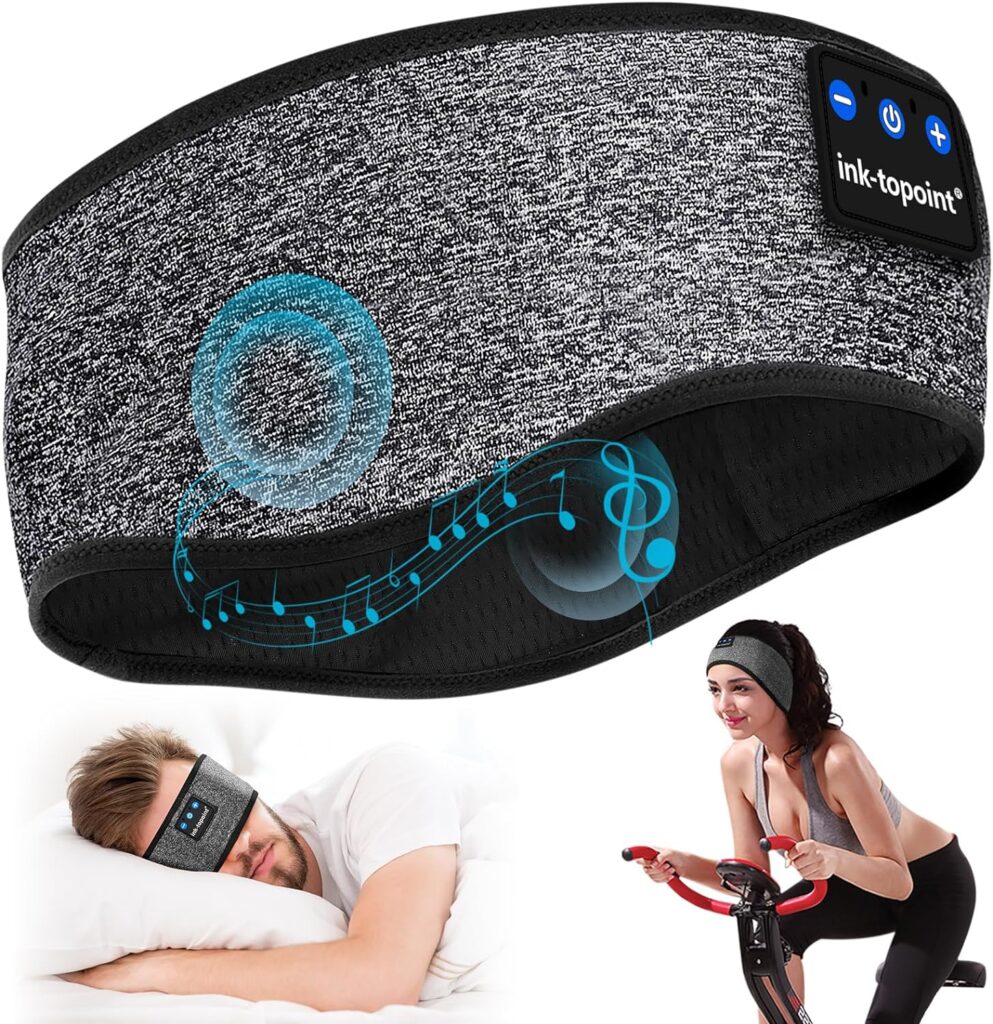
SleepPhones Effortless typically refers to a version of Sleep Phones, which are headphones designed for comfortable use during sleep. Sleepphones are known for their soft headband design with integrated speakers, allowing users to listen to music, white noise, or other audio content while lying in bed.

The “Effortless” model refers to a version that incorporates wireless or Bluetooth technology, making it easier to connect to devices without the need for cords. This can enhance the overall convenience and comfort for users, especially during sleep.

Key features of SleepPhones Effortless may include:

  1. Wireless Connectivity: The Effortless version likely provides Bluetooth or wireless connectivity, allowing users to connect to compatible devices without the constraints of wires.
  2. Comfortable Design: SleepPhones are known for their soft, stretchable headbands that house thin, flat speakers. This design aims to provide a comfortable and non-intrusive experience for users, allowing them to sleep with the headphones on.
  3. Built-in Controls: Some wireless SleepPhones models come with built-in controls on the headband, allowing users to adjust volume, play/pause audio, or skip tracks without reaching for an external device.
  4. Long Battery Life: Wireless SleepPhones typically come with a rechargeable battery, providing a decent amount of usage time on a single charge. The battery life may vary depending on usage patterns.
  5. Variety of Sizes and Styles: SleepPhones are available in different sizes to accommodate various head sizes. They may also come in different styles, including materials like fleece or moisture-wicking fabric.
  6. Ease of Cleaning: Many SleepPhones are designed to be easily removable for washing, helping users maintain hygiene and cleanliness.

Comfort is all important with your sleeping headphones so make sure you carefully choose the right model before purchasing.

Bluetooth Headphones Over The Ear

You can’t really argue about the comfort and ease of use of bluetooth headphones for over or on the ear. Without those annoying cables, they give greater freedom of movement and flexibility when out and about. In recent years audio quality has risen while the costs have dropped. That has been since Apple introduced their Airpods with their wireless element, there has been a greater than ever demand for this type of headphone.

So what are the pros and cons of the two types that are Bluetooth heaphones on the ear or good in ear headphones. Over the ear headphones will give a greater noise cancelling element and produce a fuller sound but are obviously larger and more bulky than in ear phones. There are foldable Bluetooth headphones which are compact and make this type far easier to carry. This will be an important factor in where and how you will be wearing them. For instance if you are travelling a lot, particularly on trains, then the ability to cut out external noises will be more important. However if you are doing a lot of exercise like running or working out in the gym, then in ear wireless earphones will much more likely appeal because of their size and weight.

When wearing Bluetooth wireless headphones it is important to keep them within range of your smartphone or tablet. Unlike wired headphones, it is very easy to wander about and forget that you may suddenly get outside the range of your device. There are few things more frustrating than have your audio drop out momentarily or even for longer periods. Bluetooth connectivity can sometimes be slightly problematic, either getting the devices paired, or maintaining the connection. Firstly always check that your headphones are compatible with your smart device and then make sure that there aren’t too many other devices connected wirelessly. Overload can affect the ability to connect or stay connected via Bluetooth.

There is such a choice these days that it is difficult to decide what are the best Bluetooth wireless headphones over the ear or in ear. It is best to go on Amazon or Google and check reviews and find out what other people are saying. Then decide what type you want. You might want to find the best bluetooth headphones under 200 for cycling or running so check what people are using for those activities.

There are loads of quality brands like Beats, Sony, Sennheiser, AKG and  Bose so you will be spoilt for choice. Whatever make and model you choose, the freedom that these types of headphones offer will enhance your music listening for a long time to come.

Why are on the ear bluetooth headphones best?

Sony WH-CH520 Wireless Bluetooth Headphones – buy on Amazon

Whether on-ear Bluetooth headphones are considered the “best” depends on individual preferences and use cases. On-ear headphones have their advantages and drawbacks compared to other types of headphones, such as over-ear or in-ear models. Here are some reasons why someone might prefer on-ear Bluetooth headphones:

  1. Portability:
    • On-ear headphones are often more compact and lightweight than over-ear alternatives. This makes them easier to carry and more suitable for on-the-go use.
  2. Comfort:
    • Many users find on-ear headphones more comfortable than in-ear models, as they don’t insert into the ear canal. However, comfort can be subjective, and some users may still prefer the fit of over-ear headphones.
  3. Breathability:
    • On-ear headphones typically allow more airflow around the ears compared to over-ear models. This can be beneficial in warmer climates, reducing the likelihood of discomfort due to heat.
  4. Aesthetics:
    • Some users prefer the sleek and less bulky appearance of on-ear headphones, which can be more discreet than over-ear models.
  5. Convenience:
    • On-ear headphones are often easier to put on and take off quickly compared to over-ear headphones, making them convenient for short listening sessions or when you need to be aware of your surroundings.

However, it’s important to note that there are potential drawbacks to on-ear headphones:

  1. Isolation:
    • On-ear headphones may not provide as much noise isolation as over-ear models, which fully enclose the ears. This can be a consideration if you frequently use headphones in noisy environments.
  2. Sound Leakage:
    • On-ear headphones may leak more sound to the surrounding environment compared to over-ear headphones, which could be a concern if you want to keep your music private.
  3. Ear Pressure:
    • Some users may experience discomfort or pressure on the ears during extended use, particularly if the headphones have a tight fit.

Ultimately, the “best” headphones depend on your personal preferences, the intended use, and factors like comfort and portability. It’s recommended to try different types of headphones to find the style and features that align with your specific needs.

Is there a way to connect wireless headphones without bluetooth?

The answer is yes, there are alternative ways to connect wireless headphones without using Bluetooth. Here are some methods:

  1. RF (Radio Frequency) Wireless Headphones:
    • Some wireless headphones use RF technology to transmit audio signals. These headphones typically come with a base station that connects to your audio source, and the headphones communicate with this base station using radio frequency. RF wireless headphones provide a longer range than Bluetooth and do not require a direct line of sight.
  2. Infrared (IR) Wireless Headphones:
    • Infrared wireless headphones use infrared signals to transmit audio. The headphones have an infrared receiver, and the audio source, such as a TV or stereo system, has an infrared transmitter. The transmitter sends audio signals to the headphones, and the headphones receive the signals as long as there’s a clear line of sight between the transmitter and the headphones.
  3. Wireless Audio Transmitter/Receiver Kit:
    • You can use a wireless audio transmitter and receiver kit to convert your wired headphones into wireless ones. These kits typically include a transmitter that connects to your audio source (e.g., TV, stereo, computer) and a receiver that plugs into your headphones. The transmitter sends audio signals wirelessly to the receiver, allowing you to use your existing wired headphones without Bluetooth.
  4. NFC (Near Field Communication) Adapters:
    • Some wireless headphones support NFC technology. If your audio source has an NFC adapter, you can use it to connect wirelessly to the headphones without Bluetooth. NFC enables quick and easy pairing by simply tapping the adapter to the headphones.
  5. Wi-Fi Audio Streaming:
    • Some wireless headphones support Wi-Fi connectivity for audio streaming. In this case, the headphones connect directly to your Wi-Fi network, and you can stream audio from compatible devices on the same network. This method may require specific headphones and audio sources that support Wi-Fi streaming.

When considering these alternatives, it’s important to check the compatibility of your headphones and audio source. Additionally, be aware of the range limitations and any potential interference with other devices. Each method may have specific requirements, so refer to the user manuals of your headphones and audio source for detailed instructions on how to set up and use these wireless connectivity options.